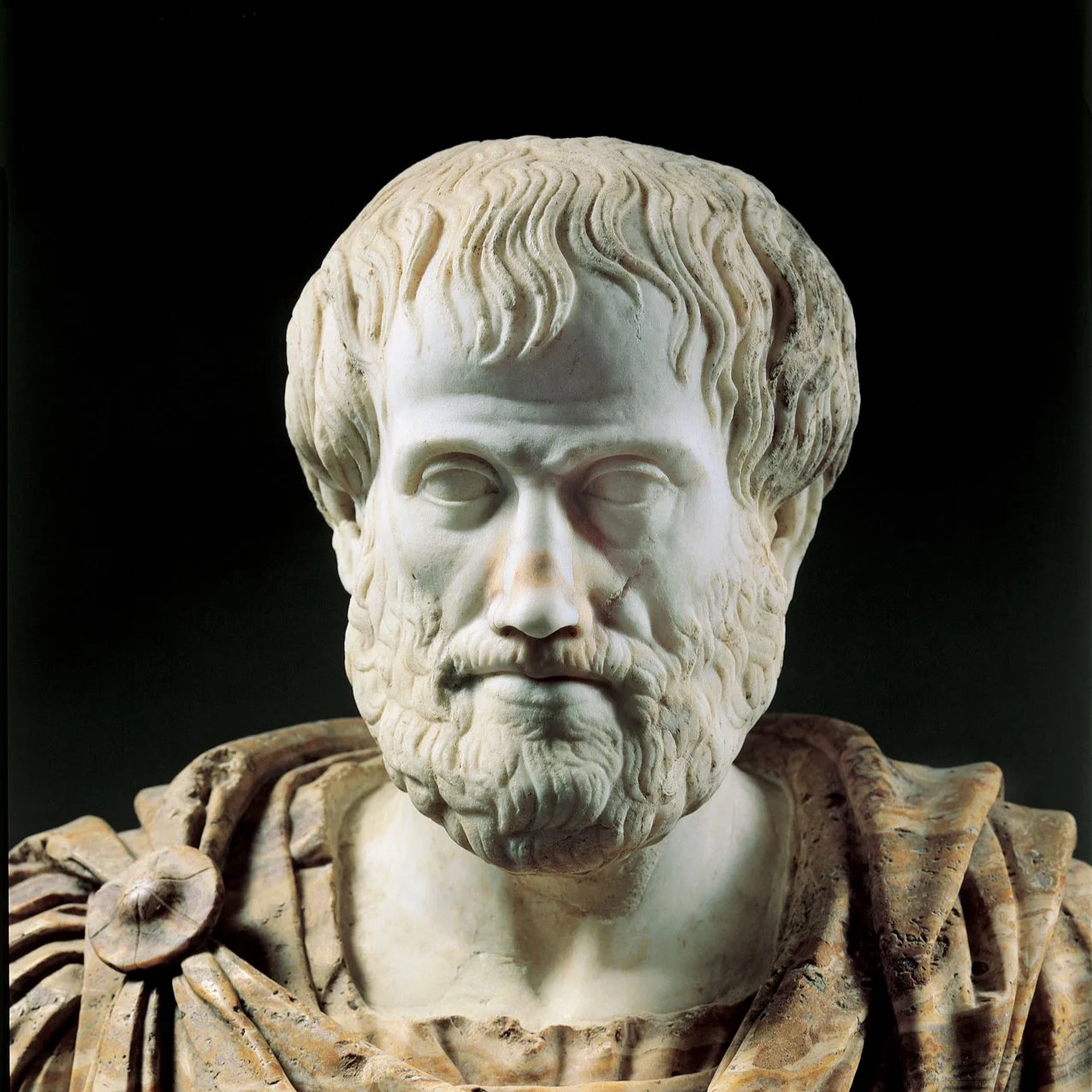
Aristotle
The great philosopher of classical Greece, Aristotle, was born in Stagira, Chalcidice in 384 BC. The success story started with the feelings of his father, Nicomachus, and joined Plato’s school, the Academy in Athens at the age of seventeen.
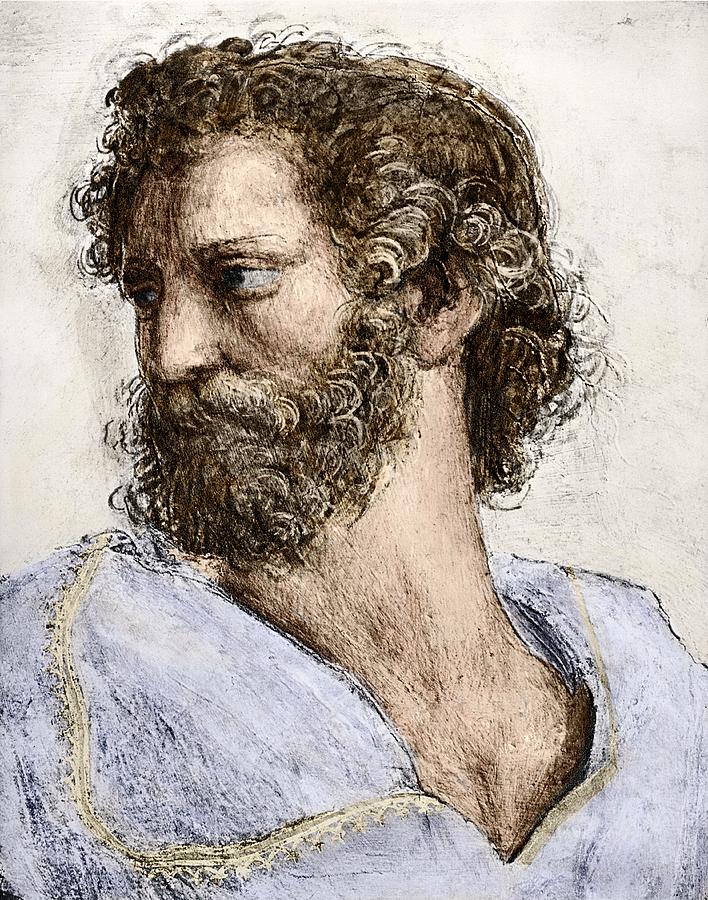
The intellectual formation of Aristotle took place under Plato’s tuition. More than two decades of his work, and his speculations developed in part from Plato’s and sometimes in tandem but oftentimes they parted ways with the latter’s. He founded the Lyceum in 335 BC and is therefore regarded as the ‘Father of Western Philosophy.
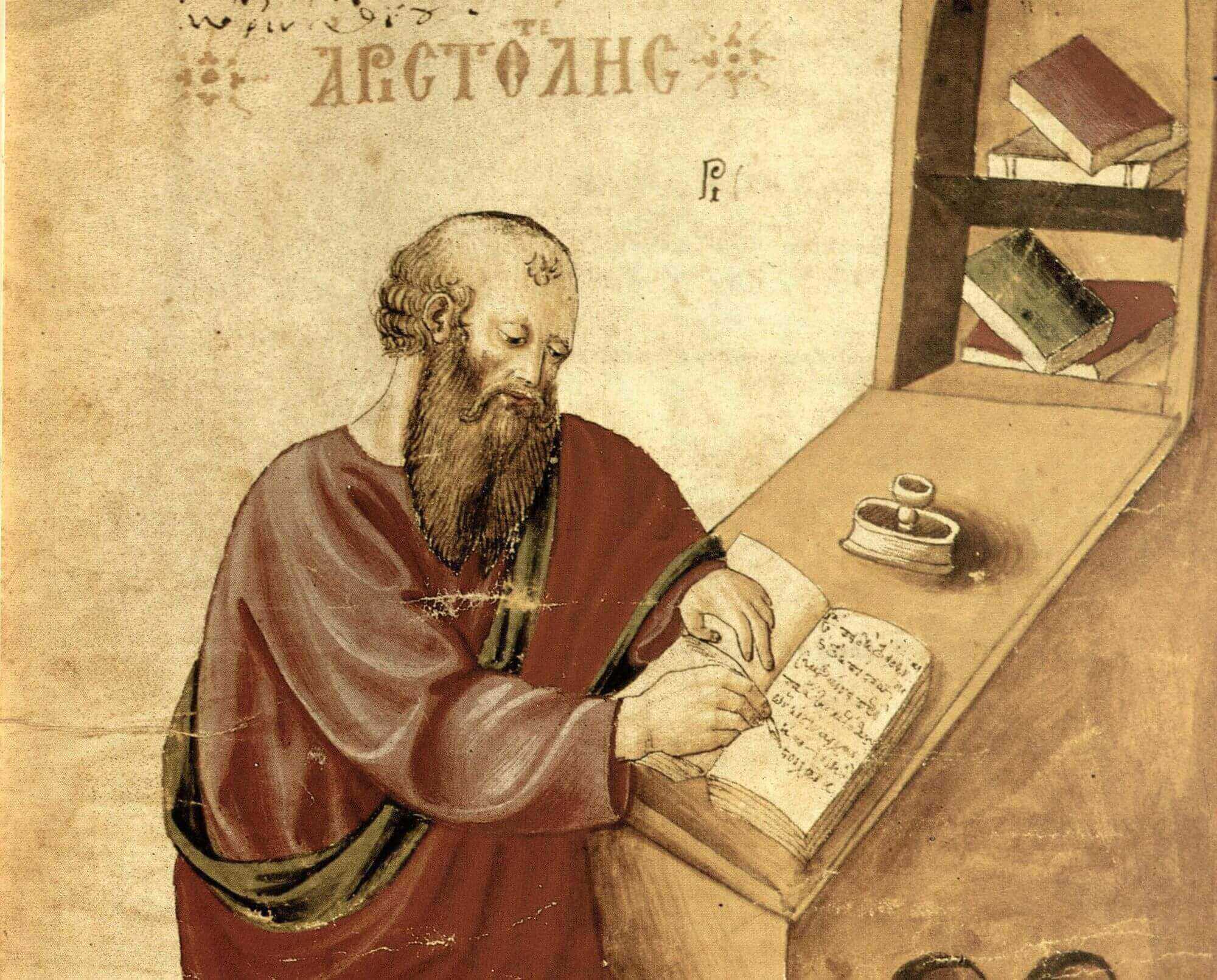
Organized by Aristotle’s interdisciplinary pathos, one can distinguish between contributions to natural sciences and philosophy. In biology, zoology, and botany he has paved the way for scientific analysis and description; in the realms of logic and ethics he defined the study of the good life.
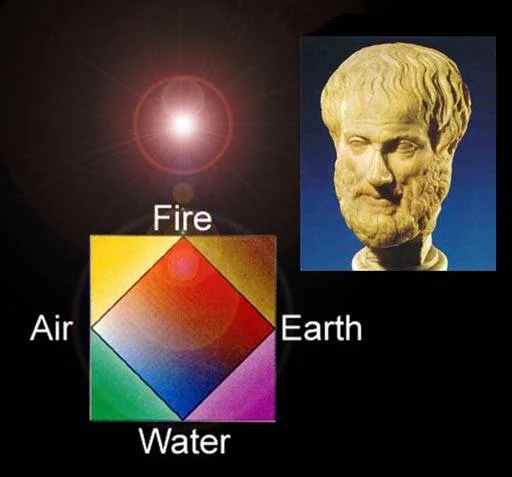
Though he did not receive state accreditation during his lifetime, Aristotle could attract a massive number of learners like Alexander the Great. His family life, marriage, and parenting of his daughter were intimately attached to intellectual activities with his wife Pythias.
To this day, Aristotle has left behind thousands of pages of thoughts and ideas that remain the primary guidance for many. His observational and analytical work in philosophy has been aspiration and classical in nature and till date classifies things in systematic ways.
Some of the advancements in the field include Aristotle’s contribution of a system that has endured the test of time, and subsequently offering a framework that has remained immutable irrespective of the culture being adopted in the contemporary society. Even today the principles, for which he died, serve as principles ethically and intellectually for those in search of knowledge and readiness to be with the truth.